Legislative Advocacy
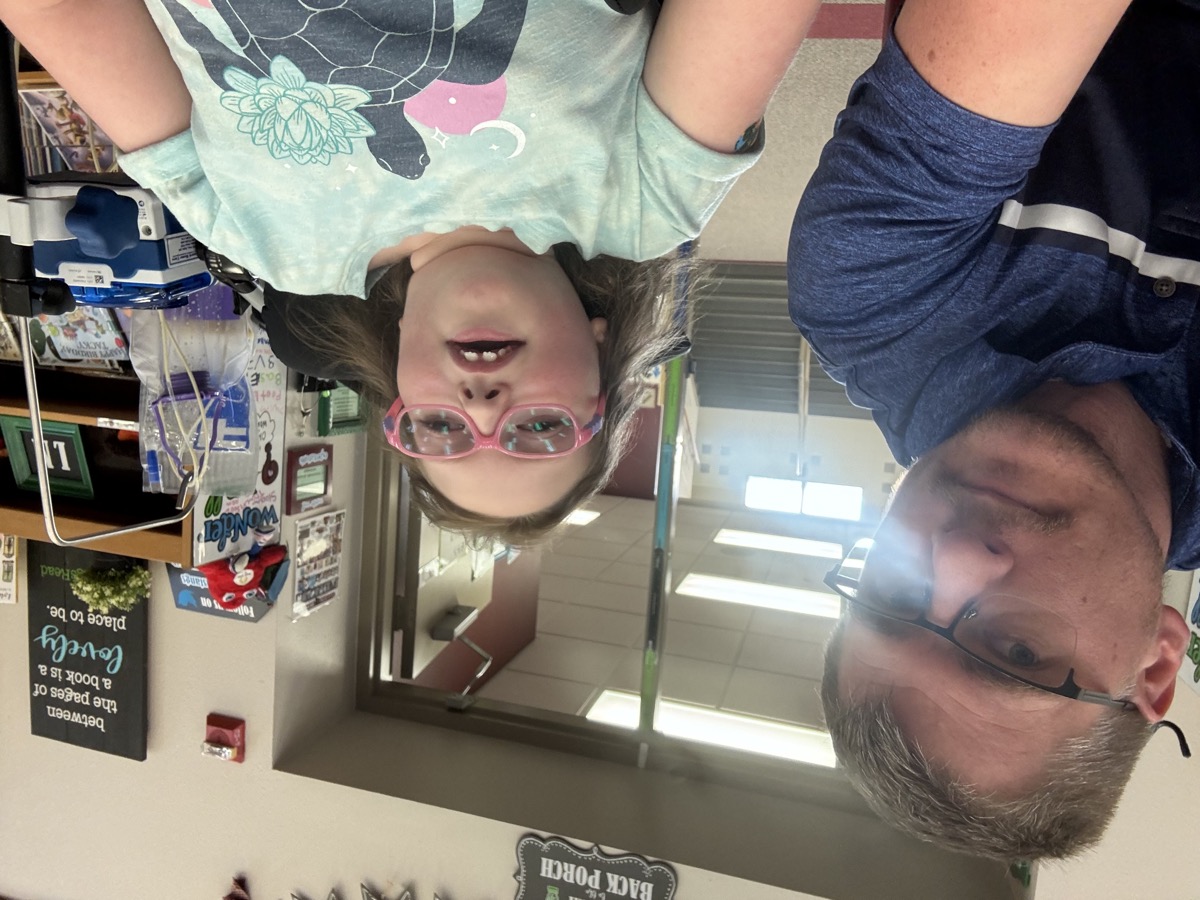
Dad went to the Capitol because medically fragile families need more than sympathy.
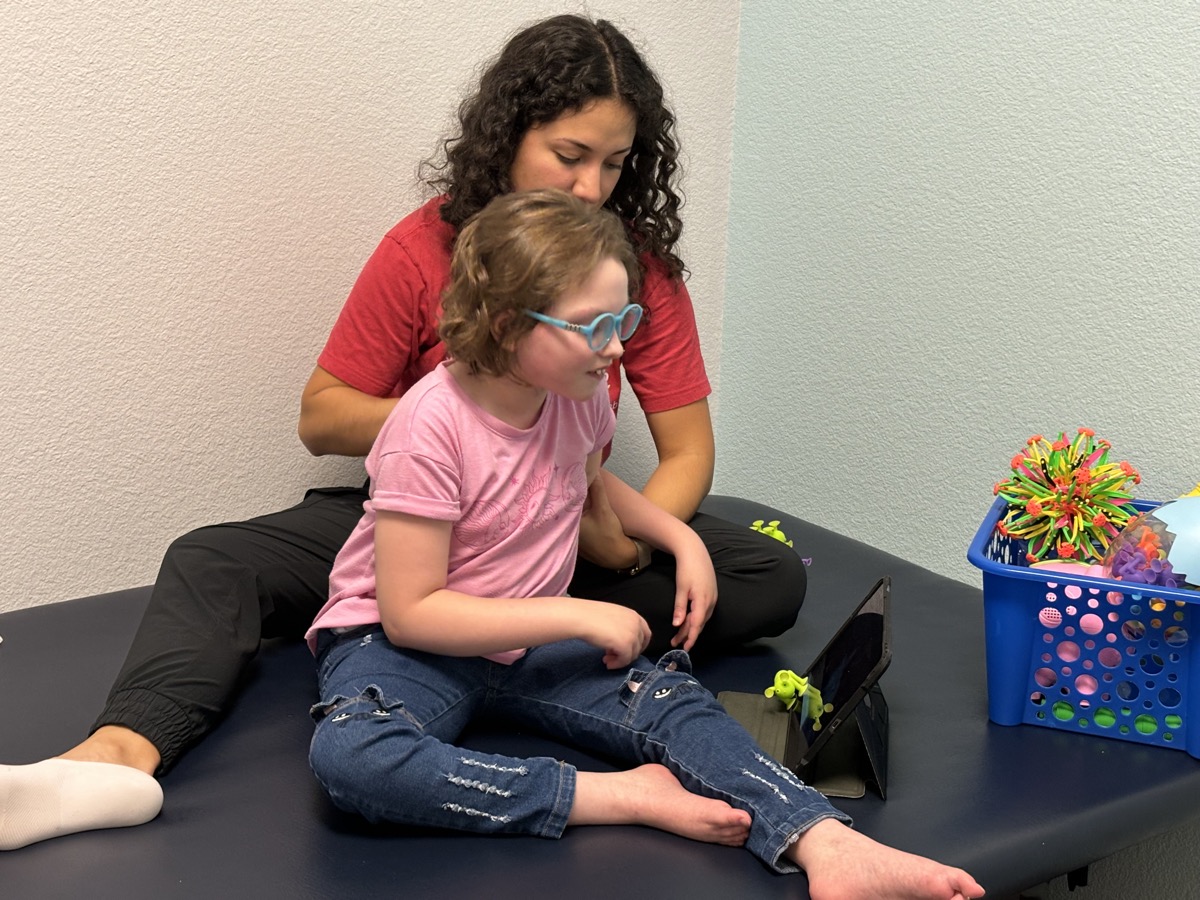
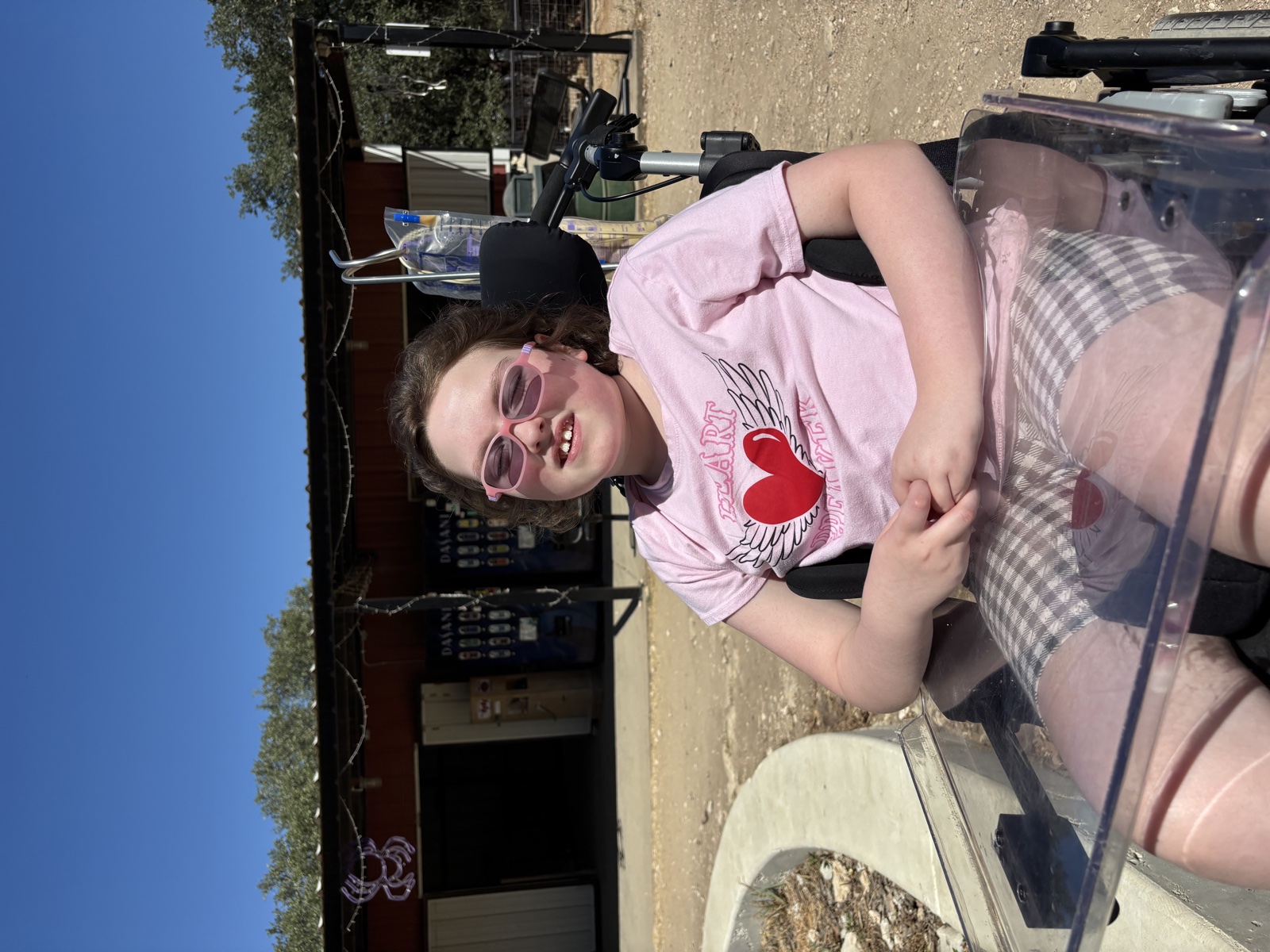
Sophia's family has advocated during legislative sessions to bring rightful and positive change to the way medically fragile children, people with disabilities, and caregivers are treated. The goal is simple and enormous: stop treating support as a handout and start treating it as the access people need to live, learn, work, and belong.

Where This Started
Before there were rights on paper, there were children hidden away.
For decades, children and adults with disabilities were too often separated from their families, placed in large institutions, and treated as if their needs made them less human. Willowbrook, a large institution in New York for children with disabilities, became a national symbol of that failure. The news coverage was horrifying because it forced the public to look directly at what neglect, isolation, and silence had allowed.
That history matters because every modern fight for services carries its shadow. When a school minimizes a child's needs, when an insurer refuses life-sustaining equipment, when a Medicaid waitlist tells a family to hold on for years, when an employer treats caregiving as inconvenience, the question underneath is still the same: will society include people with disabilities, or will it push them out of sight?
Disability Rights Are Human Rights
These videos are hard to watch because they show what happens when society decides some lives can be hidden, neglected, or spoken about as less than human. They may bring viewers to tears. No person, disabled or not, should ever be treated this way. This is why protection and advocacy systems exist, why Olmstead matters, and why families like Sophia's cannot afford to be quiet.

Special Education Enhancements
Special education has laws, procedures, and teams, but medically fragile students can still be trapped by local district limits, old methodology, and decisions shaped by cost instead of need. Sophia's family advocates for IEP goals that truly tailor the general curriculum, stronger related services, medical-based support models, private duty nurse evaluation, meaningful Extended School Year consideration, and protections for parents who are too often treated as problems instead of partners.
Dad advocates because "basic floor of opportunity" cannot become an excuse to leave medically fragile students behind. Sophia does not need a school to admire her bravery. She needs a school to build the supports, services, accommodations, and accountability that let her learn.
Read the School District Fight
Disability Benefits
Disability benefits are not one thing. They are a patchwork of private insurance, public insurance, Social Security-related programs, Medicaid, waiver programs, respite, private duty nursing, therapy coverage, medical equipment, and prescription support. Each benefit has a different purpose, a different gatekeeper, and a different way to say no.
Private insurance is intended to cover medical care through an employer or benefit plan, but no two plans are alike. A medically fragile child can be covered under one employer's plan and lose critical coverage under another. Limits, exclusions, prior authorizations, out-of-network rules, and plan language can turn medically necessary care into a family expense overnight.
Public benefits are supposed to protect people whose disability, medical fragility, or financial circumstances place them at risk. Medicaid and waiver programs are meant to help children like Sophia receive care in the community instead of forcing families toward hospitals, institutions, bankruptcy, or impossible caregiving arrangements. Social Security-related disability programs exist to provide economic support when disability changes a person's ability to work or a family's ability to remain stable.
Waiver programs, including medically dependent child programs, are intended to bridge the gap between ordinary health coverage and extraordinary need. That can include nursing, respite, therapies, equipment, supplies, care coordination, and services that help a child remain safely at home. But when waitlists stretch for years and reimbursement rates are too low to attract providers, the benefit exists on paper while the family is still left carrying the crisis.
Dad advocated at the state level because underfunded waiver programs, private duty nursing shortages, reimbursement rates, and long waitlists leave families carrying costs and caregiving that no household can sustain alone. The family has pushed for eligibility that follows the illness, increased waiver funding, stronger nursing and respite reimbursement, and public education that stops treating Medicaid as a handout.
For families like Sophia's, benefits are the difference between isolation and care, between exhaustion and stability, between surviving a crisis and preventing one. Used appropriately, these programs are lifelines. They are how a medically fragile child gets to live at home, stay connected to family, and receive care before the emergency happens.
What is a handout?
Occupational Inclusion
Caregivers need work, yet workplaces are not always built to understand caregiving. The family advocates for employment protections and reasonable flexibility that allow qualified employees to keep contributing while caring for medically fragile dependents. Without that stability, families can be pushed out of the workforce and toward the very public supports they worked hard not to need.
Meaningful work gives people identity, stability, dignity, and a way to contribute. But when employers refuse reasonable flexibility for a caregiver, they do more than disrupt a schedule. They put the child's care, the family's housing, the family's insurance, and the family's future at risk.
Artificial intelligence is now creating another ripple effect across corporate America as companies restructure, automate, and reduce staff. The family is not arguing that a caregiver can never be laid off. The point is that when an employer knows an employee has a medically fragile dependent at home, notice, transition planning, insurance timing, and severance should account for the fact that one job loss can threaten a child's care, not only an adult's paycheck. The impact does not stop with the family either: when caregiver employment collapses, welfare reliance can rise, and taxpayers can end up carrying higher costs that could have been reduced by protecting work and stability in the first place.
Families can encounter legal technicalities, unclear business language, and disputed records during an employment separation. For a medically fragile household, that paperwork is not abstract. It can mean a shorter financial runway, fear over insurance continuity, delayed appointments, unpaid equipment, and a parent looking at a child whose care continues even after the paycheck stops.
The harm does not end on the last day of employment. A caregiver looking for work can face algorithmic screening, repeated requests to tailor a resume, and application systems that make reaching a human interview extraordinarily difficult. The artificial-intelligence tools that may help a parent keep pace can themselves cost money at the exact moment income and stability have disappeared. Sophia still needs care while every application waits for an answer.
Taxes and Family Stability
Tax rules, deductions, withholding, AGI, and documentation requirements can either give a medically fragile family a little room to breathe or add another layer of pressure to a household already carrying medical debt and care coordination.
Dad's advocacy is not only about benefits. It is also about helping the public understand how work, taxes, deductions, insurance, and disability supports collide inside one family budget.
Read the Tax Impact
What Needs to Change
The family's advocacy materials proposed reforms that still define the mission: follow-the-illness eligibility, increased waiver funding, better nursing and respite reimbursement, inclusive employment protections for caregivers, and public education that treats disability rights as human rights. Sophia's story is personal, but the problem is bigger than one family.
The public also needs better education about what happens when caregivers who can work, want to work, and are willing to work lose opportunity because medically fragile home circumstances are misunderstood. Federal and state protections exist, but they can be difficult to identify and even harder to exercise without time, training, or legal support. Families should not have to choose between protecting a lawful right and protecting a paycheck.
Caregiver employment is in everyone's interest. When a caregiver can remain employed, wages and private benefits continue, reliance on public programs may decrease, and a medically fragile child has a stronger foundation for care. The better public question is not whether a family needs support; it is whether society has made room for capable people to keep working while meeting unavoidable medical responsibilities at home.
That cycle has to change. Society cannot call for lower dependence on public programs while leaving qualified caregivers outside jobs they can perform. Artificial-intelligence-driven staff reductions make the issue more urgent because the loss of one position can destabilize an entire family unit that depends on employment for insurance, medical access, and long-term planning.
Higher reliance on emergency and public systems carries a public cost. Protecting caregiver employment can be both compassionate and fiscally responsible: it preserves income, benefits, experience, and independence before a preventable crisis becomes more expensive for everyone. Society has to plan beyond the next quarter by protecting work, protecting medically fragile families, and preparing for a future in which technology changes employment faster than care needs can change.
Dad shows up because silence is expensive. Silence costs therapies. Silence costs nursing. Silence costs educational progress. Silence costs parents their jobs and children their chance to live in the community with dignity. So he keeps speaking, keeps writing, keeps meeting, keeps pushing, and keeps refusing to let Sophia be reduced to a line item.