About Rett Syndrome
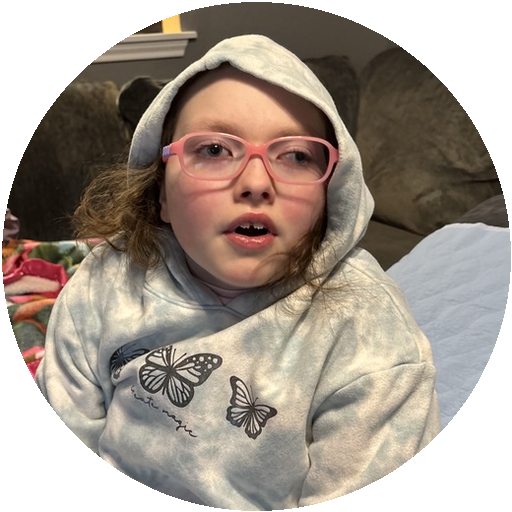
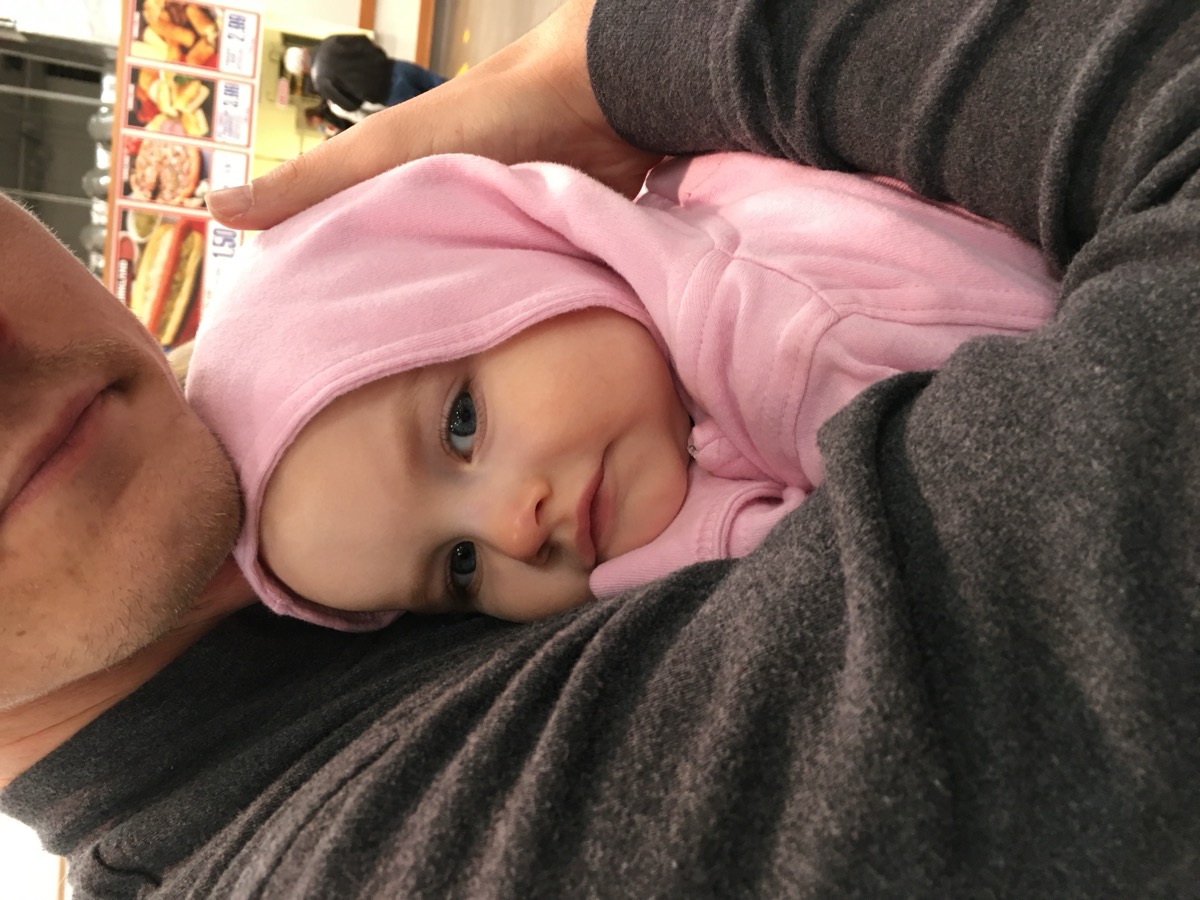
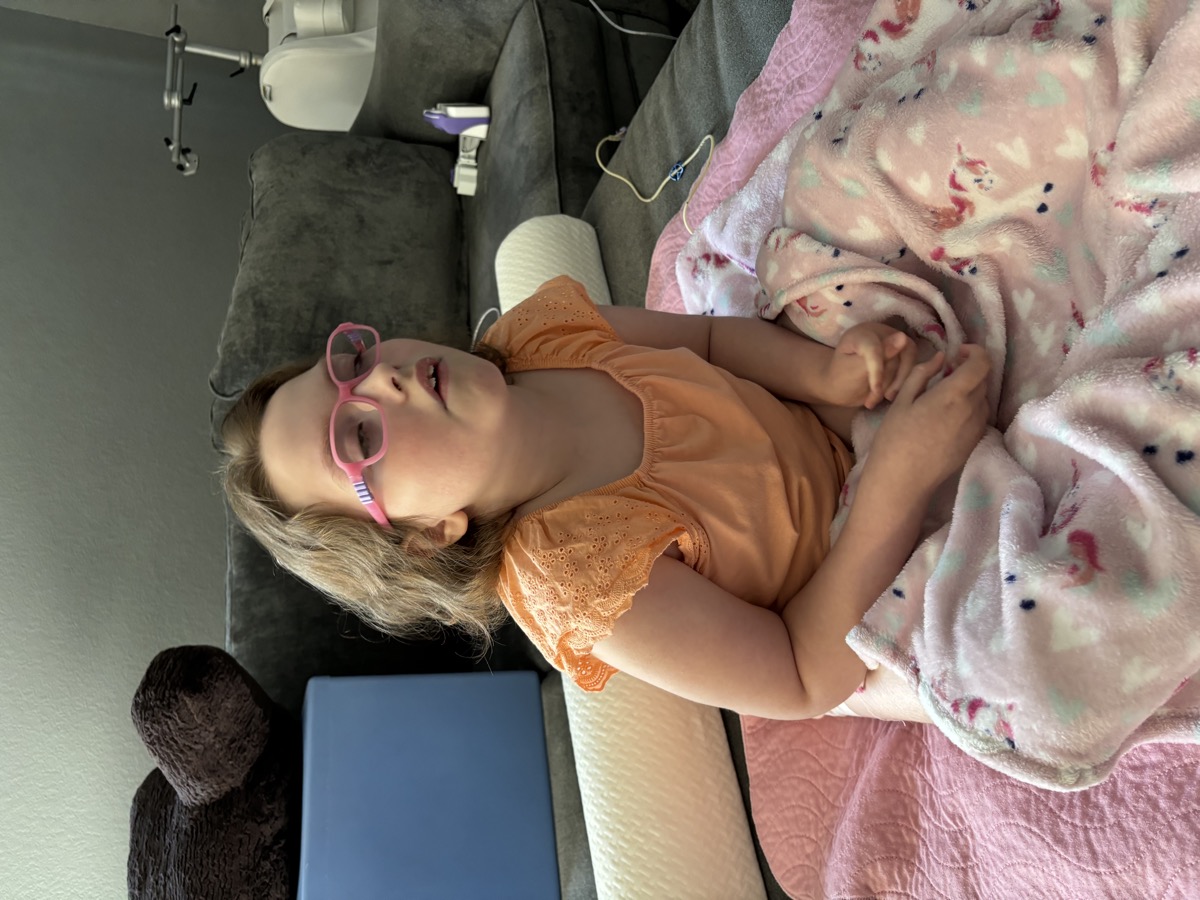
Rett syndrome is the thief that changed Sophia's life without ever erasing who she is.
Rett syndrome is a rare neurological and developmental disorder most often caused by changes in the MECP2 gene. For many families, the heartbreak is that a child may first appear to be developing, connecting, smiling, and reaching toward the world, and then the illness begins taking abilities away.
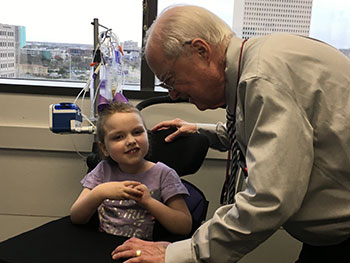
Rett syndrome can steal speech, hand use, walking, feeding safety, breathing rhythm, sleep, comfort, and independence. What it cannot steal is Sophia's personhood, her love, her awareness, or her right to every therapy, treatment, accommodation, and cure society can fight to make possible.
What Rett Syndrome Is
Rett syndrome is a disorder of brain development that occurs almost exclusively in girls. The classic pattern can include months of apparently typical early development before severe problems appear with language, communication, coordination, learning, and other brain functions.
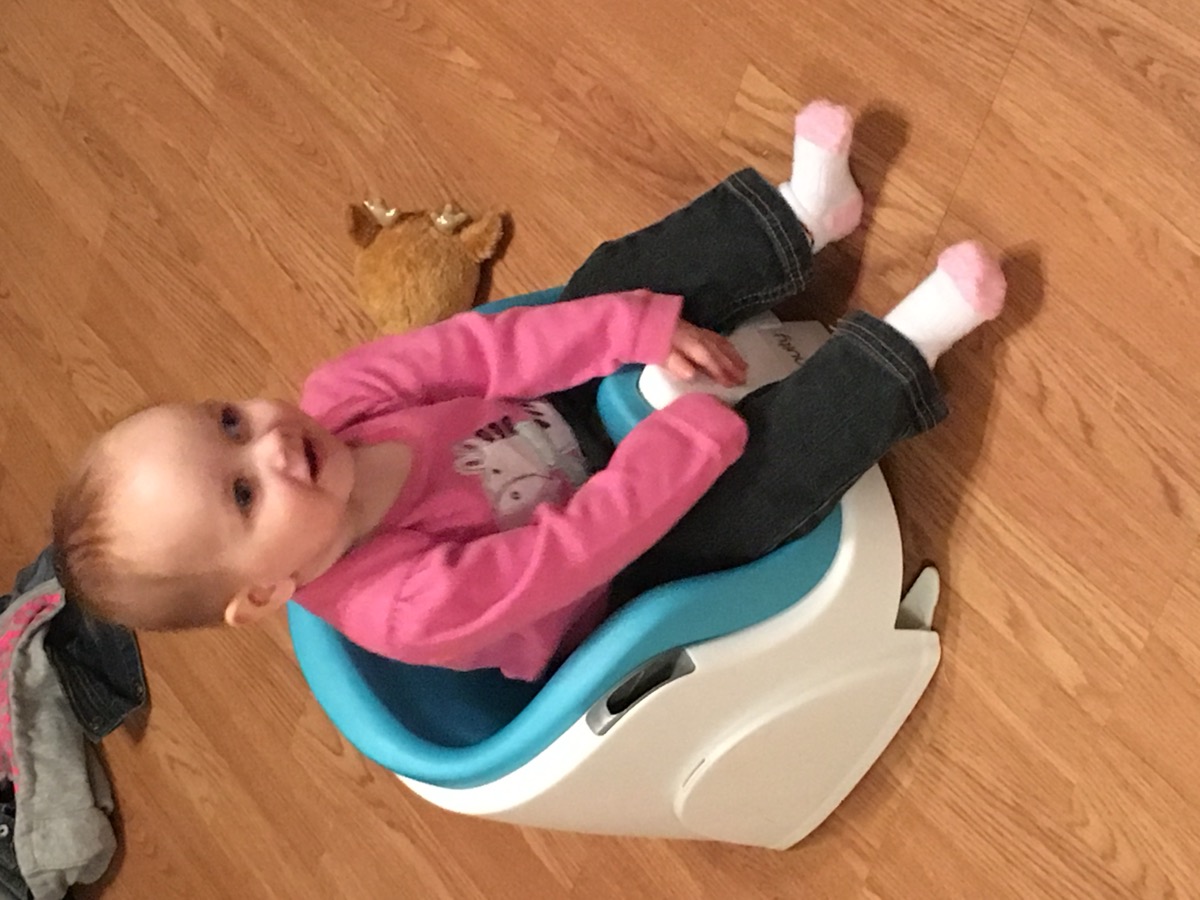
For a family, that clinical sentence lands like a collapse. It means parents can remember the baby they thought was simply growing into herself, then watch the same child struggle to use her hands, swallow safely, communicate, move, sleep, breathe comfortably, and stay medically stable.
The MECP2 Gene
Most classic Rett syndrome cases are linked to changes in the MECP2 gene, which provides instructions for a protein important to normal brain function. In Sophia's case, the family was told she had Rett syndrome tied to a partial deletion of exons 3 and 4 on MECP2.
That kind of diagnosis can sound like a lab result until it belongs to your child. Then it becomes the explanation for why ordinary milestones became mountains, why feeding became medical, why therapies became urgent, and why every small skill has to be protected like treasure.
What It Can Take Away
Rett syndrome can involve loss of purposeful hand use, loss of speech, repeated hand movements, difficulty walking, seizures, breathing abnormalities, sleep disruption, irritability, feeding and swallowing issues, slowed growth, cold hands and feet, unusual eye movements, and scoliosis.
The cruelest part is that the child is still there. Sophia still has preferences, emotions, humor, connection, and a need to be included. Rett syndrome builds walls around a child who still deserves to be seen, heard, taught, protected, and loved as fully as any child.
Daily Life Is Medical Life
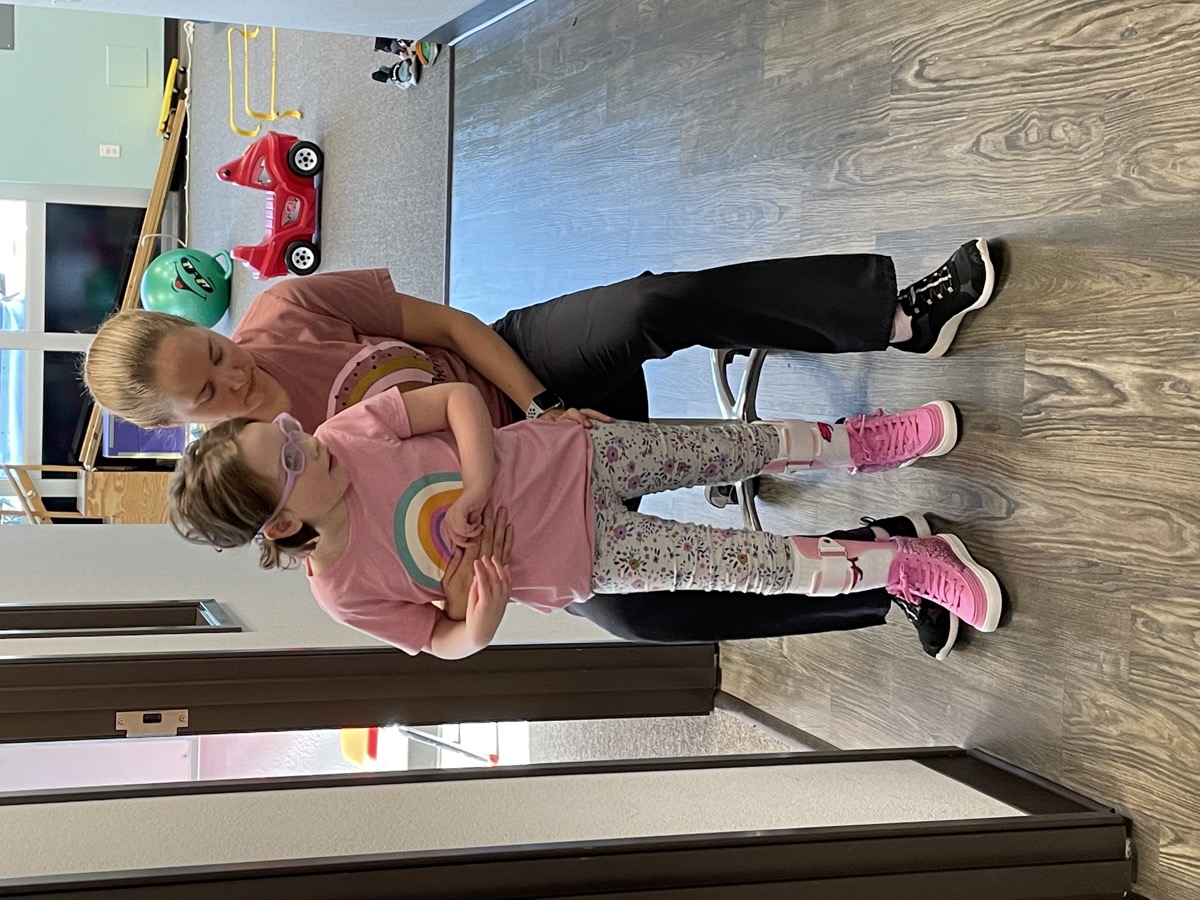
Rett syndrome is not one appointment and it is not one diagnosis code. It can mean feeding tubes, seizure monitoring, respiratory care, specialists, therapy schedules, adaptive equipment, school accommodations, medication decisions, transportation barriers, and the constant question of whether insurance or Medicaid will cover what the child needs.
Families do not get to grieve once and move on. They grieve in pieces: the lost words, the unsafe swallow, the missed step, the hospital alarm, the school meeting, the denied service, the therapy that should have been approved, and the birthday where love is overflowing but the future still feels frightening.
Care Still Matters
There is currently no simple cure that gives back everything Rett syndrome takes, but care matters deeply. Therapy, communication support, nutrition, medication, mobility work, respiratory care, education, nursing, specialist care, and family advocacy can protect quality of life and help a child participate in the world.
For Sophia, aggressive care has never been about pretending Rett syndrome is small. It has been about refusing to let the illness decide the whole story. Every therapy session, every appeal, every appointment, every IEP meeting, and every research dollar says the same thing: she is worth the fight.
Why Research Feels Personal
Families believe Rett syndrome can be changed, and they need research to move faster. Treatments that manage symptoms matter, but families are still waiting for the kind of breakthrough that reaches the core of the disorder and gives children pieces of life back.
For Sophia's family, research is not abstract science. It is the dream of hearing more communication, seeing more comfort, protecting more movement, reducing fear, and imagining a future where children are not trapped by a condition that never should have been allowed to define them.